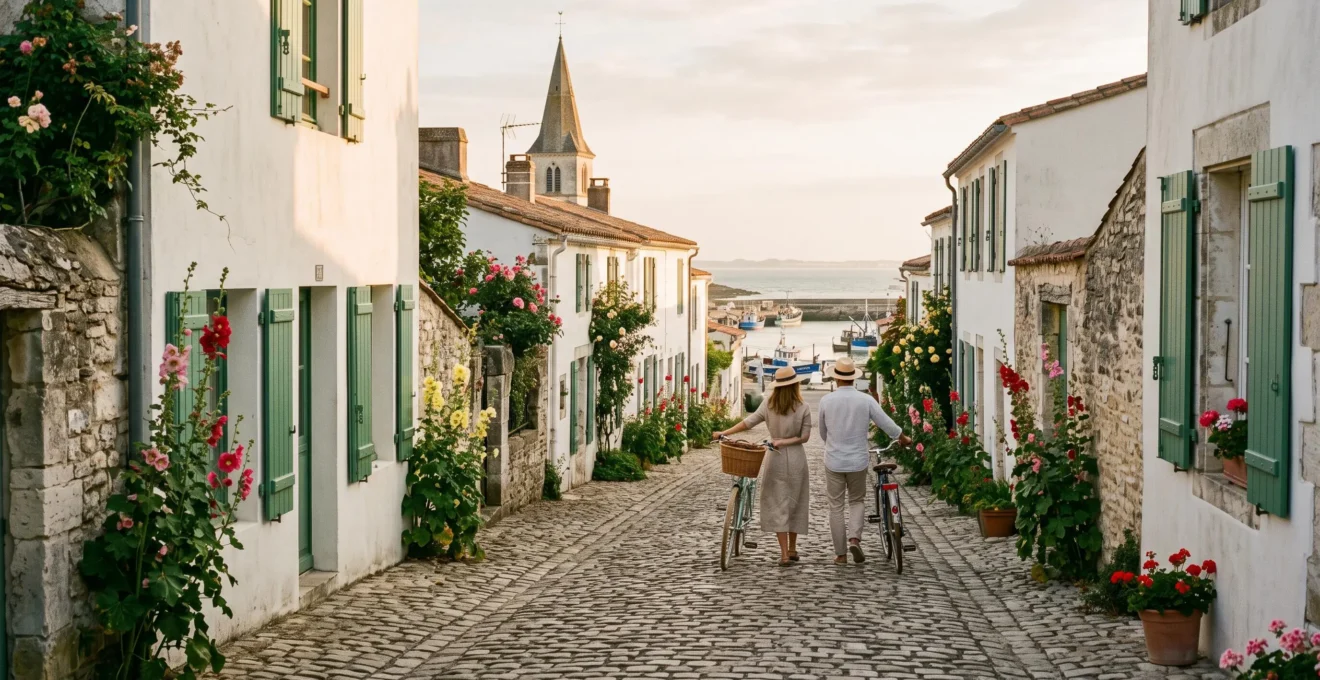
If you’re weighing France’s Atlantic coast for a summer break, the hardest part isn’t finding beaches—it’s finding a place that feels truly premium without the conveyor-belt energy of famous resorts. That’s where an Île de Ré luxury escape earns a serious look: it pairs a preserved island landscape (villages, salt marshes, cycling lanes) with the kind of polish affluent travelers expect—just delivered more quietly.
This guide is built to help you decide, not to oversell. You’ll see what makes Île de Ré different from better-known French seaside names, when to go for the smoothest experience, what “luxury” looks like on an island with limited supply, and how many days you actually need to enjoy it at the right pace.
What to know before you choose Île de Ré
- It’s discreet luxury, not a glossy resort scene: think villages, bikes, and refined service rather than nightlife-led glamour.
- Summer is rewarding but requires planning: access and accommodation are more constrained in peak season, so timing and booking matter.
- Luxury exists—but it’s selective: high-end options are fewer than on big-name coasts, which is part of the island’s appeal.
- Best pace for a high-end stay: plan enough time to slow down—Ré works when your schedule does.
Île de Ré: The Atlantic Coast’s Discreet Luxury Escape
Île de Ré is best understood as a low-key luxury destination: the refinement is real, but the atmosphere stays deliberately understated. If your idea of luxury is space, calm, and a sense of place—rather than a “destination built around hotels”—Ré fits the brief unusually well for France’s Atlantic coast.
The island’s appeal starts with its everyday texture: whitewashed villages, narrow lanes that invite walking and cycling, and wide horizons shaped by water and marshland. That’s the setting in which upscale experiences land differently—less show, more ease. It’s the kind of place where you can dress well, dine well, and still feel aligned with the local rhythm.
To make the decision easier, it helps to compare Ré’s positioning to better-known coastal options. The point isn’t that one is “better”—it’s that they deliver different versions of “luxury.”
| Decision factor | Île de Ré | More resort-led French seaside hubs |
|---|---|---|
| Luxury style | Discreet, village-based, nature-forward | Often more standardized, hotel-centric |
| Pace | Cycling, markets, long lunches, early nights | More “programmed” days and nightlife options |
| Privacy & crowd feel | Can feel calm outside peak moments, but still popular in summer | High-energy hotspots can feel crowded more consistently |
| Best for | Couples and families who want polish without spectacle | Travelers who want predictable luxury codes and buzz |
If you’re already picturing a premium summer base and want practical planning help from a luxury-travel lens, you can also read this seaside holiday planner to frame your choices before you lock dates.
What Makes Île de Ré Different from Other French Coastal Destinations?
Île de Ré feels different because it’s built around preserved villages and working landscapes, not around a single beachfront strip. In practice, that means your days naturally break into short, beautiful segments—village-to-village cycling, a harbor stop, a marshland detour—rather than long drives between “must-sees.”
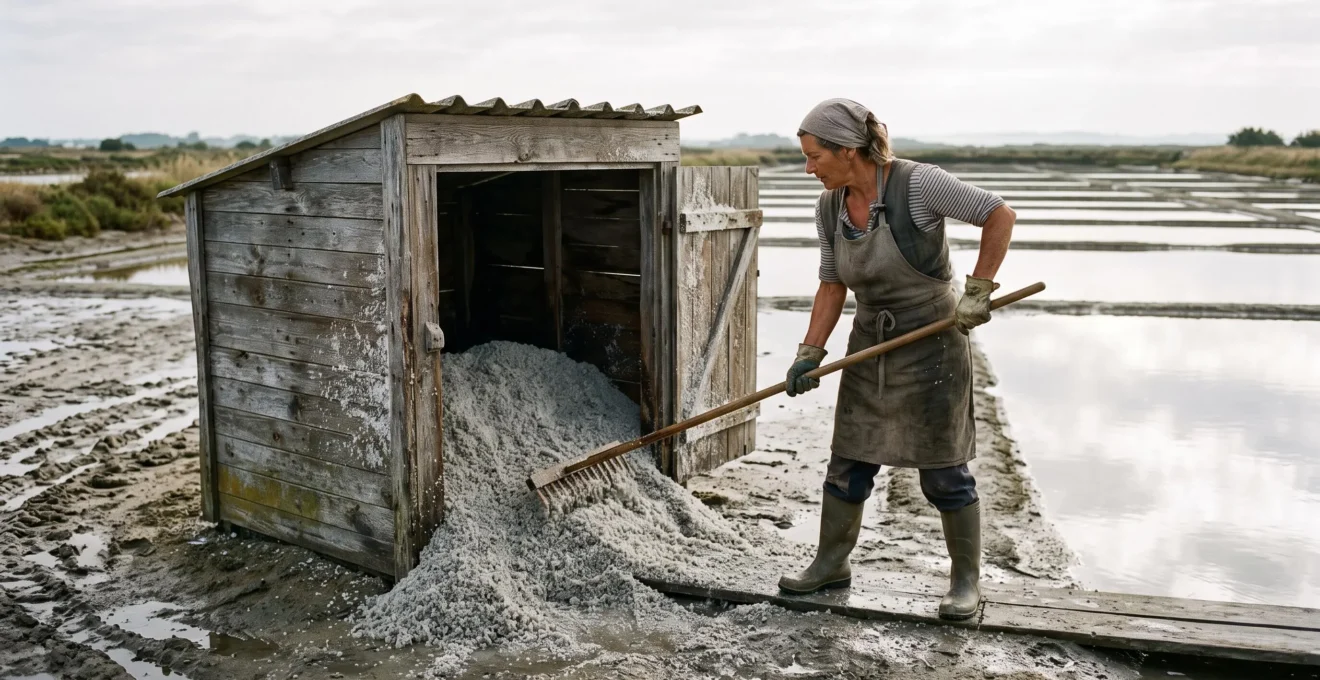
The island’s “authentic” side is not staged. Salt marshes are part of the living scenery, and they give the island its open, minimalist beauty—flat lines, reflective water, and that specific Atlantic light. For a traveler who worries luxury might feel generic, this is a concrete difference: Ré’s most memorable moments often come from landscape and rhythm, not from an itinerary packed with attractions.
It’s also naturally car-light in how it’s experienced. You can use a car when you need one, but the island’s day-to-day logic favors bicycles for short hops between villages and beaches. For a premium trip, that matters: it reduces friction (parking, traffic, noise) and makes the holiday feel more like a retreat than a logistics exercise.
If you want a reality check on what’s officially highlighted and organized locally—villages included—the guide officiel de l’office de tourisme is the most reliable starting point for what’s current, listed, and recognized on the island.
A typical high-end day on Île de Ré (hypothetical, but realistic)
You start with a quiet breakfast, then cycle out along flat lanes until the scenery opens into marshland. Midday is for a harbor village—market browsing, a long lunch, and a slow walk along the quays. Late afternoon becomes beach time or a pool break back at your accommodation, with dinner in a village where the dress code can be elegant but never feels performative.
This is where Île de Ré distinguishes itself from many French seaside resorts: it doesn’t ask you to “do” much to feel you’ve had a premium day. It simply removes the noise so the good parts stand out.
How to Plan the Perfect Seaside Holiday on the Atlantic Coast
The “perfect” plan for Île de Ré is the one that protects your time—because the island’s luxury is pace-dependent. If you try to squeeze it into a checklist weekend, it can feel like any other popular summer spot. Give it breathing room, and it becomes the refined Atlantic escape people return to.
When to go for the smoothest premium experience
For summer travel, the key is understanding peak pressure points. The Département de la Charente-Maritime applies seasonal periods for the bridge toll (and, in real life, these same periods tend to align with higher visitor volume). Their grille tarifaire officielle du pont defines high season as June 15 to September 15 (plus certain spring long weekends), which is a useful planning signal even if you don’t care about the toll itself.
Peak-season reality check for luxury travelers: in high season, availability is the constraint—restaurants, bikes, and especially accommodation can require earlier booking to keep the trip feeling effortless.
How to get to the island—and why access matters
Île de Ré is connected by bridge, which makes it straightforward to reach by road once you’re in the region. For a luxury stay, that ease is a double-edged sword: it keeps transfers simple, but it also makes last-minute summer trips harder because demand spikes quickly around weekends and holiday weeks.
Getting around once you’re there (without turning it into a workout)
Plan your days around short distances: pick a home base you genuinely like, then explore in loops. Cycling is central, but you don’t need to treat it like sport—think of it as the island’s equivalent of strolling. If you’re traveling as a family, choosing a base with easy beach access can reduce “in-between” stress and keep the holiday feeling high-end.
Where to Stay and What to Expect from Luxury Accommodation
Île de Ré does offer luxury accommodation, but it’s a smaller, more selective landscape than in blockbuster Riviera or major resort destinations. That’s exactly why the island can feel exclusive—yet it also means you should choose with intention and book early for summer.
On the facts: according to Insee’s tourism data, Île de Ré had 39 hotels as of January 1, 2021, with only 2 five-star and 8 four-star properties, out of 921 rooms total. This limited upper-tier supply is a key reason planning ahead matters for a premium stay (and why “five-star expectations” need to be calibrated to the island’s scale).
What “discreet luxury” lodging means here (vs. conventional five-star codes)
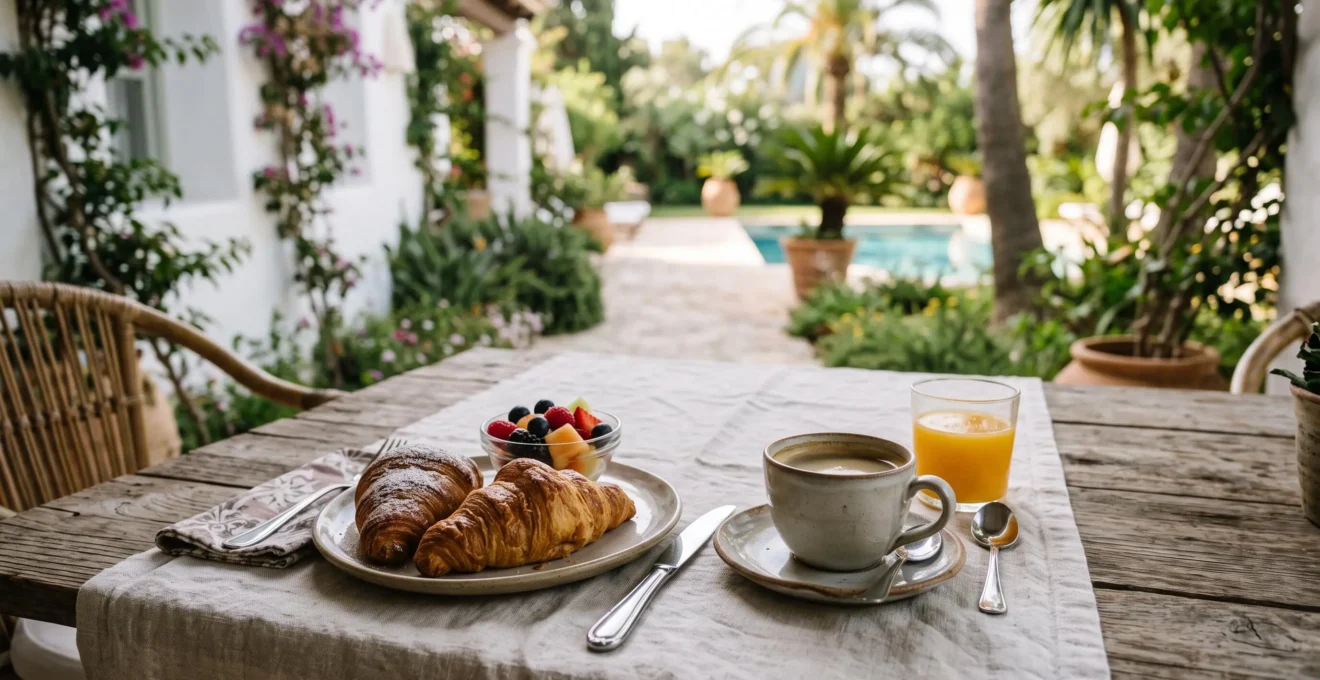
On Île de Ré, luxury often shows up as privacy, design restraint, and service that fits the setting—rather than grand lobbies and a long list of on-site entertainment. You’re more likely to value a calm terrace breakfast, a well-run pool area, and staff who help you keep a smooth rhythm than you are to “consume the hotel” all day.
The trade-off is predictability. In a major luxury hub, five-star standards can feel uniform across properties. On Ré, you’ll want to read the details carefully: what’s truly on-site, how quiet the setting is, and whether the atmosphere suits couples, families, or both.
How to choose well: three criteria that protect your experience
- Location you’ll enjoy at 8 p.m.: decide whether you want harbor-village buzz (walkable dinners) or a more secluded beach rhythm.
- Atmosphere over labels: star classification helps, but the “feel” (calm, privacy, aesthetics) is what makes it luxury on this island.
- Services that reduce friction: parking clarity, bike access, breakfast quality, and pool/terrace comfort often matter more than flashy extras.
Is Île de Ré Worth It for a Luxury Getaway?
Yes—Île de Ré is worth it for a luxury getaway if what you want is refinement with real character, not a resort that could be anywhere. The island’s value comes from the contrast that surprises first-timers: a landscape of villages and salt marshes that still delivers premium-level comfort, dining, and downtime—especially when you plan around summer constraints.
How many days are enough? For a high-end stay, 3 to 5 days is typically the sweet spot to settle into the rhythm (with time for cycling loops, beach hours, and unhurried dinners). A shorter stay can work if your accommodation is well chosen and you keep plans light; longer trips make sense if you’re using Ré as a true “slow summer” base.
Couples vs. families: couples tend to love the island’s calm evenings, scenery, and village-to-village freedom. Families benefit from the ease of short distances and the ability to alternate beach time with gentle exploration—without spending half the day in transit.
Answering the main objection—can a small island match five-star expectations? It can, but not by copying big-city luxury. The most reliable approach is to define your non-negotiables (privacy, pool, beach access, service level), then choose a property whose style matches those needs—because the island’s luxury is selective, not mass-produced.
Is Île de Ré suitable for a luxury summer holiday with limited time?
Yes—if you keep the plan simple. Choose one base, prioritize cycling-distance experiences (villages, beaches, marshes), and book accommodation early since upper-tier supply is limited on the island (Insee counted 2 five-star hotels as of January 1, 2021).
Is Île de Ré a good alternative to crowded French seaside resorts?
It can be, because the island’s luxury is tied to pace and landscape rather than a single crowded beachfront strip. That said, it’s still popular in summer—your best lever is timing and booking so the experience stays calm and polished.
What luxury accommodation standards can you realistically expect?
Expect “discreet luxury”: comfort, privacy, and service in a setting that stays village-scale. Don’t assume the uniformity of major resort hubs; instead, check what’s truly offered on-site (pool, breakfast, parking, quiet) and whether the atmosphere fits couples or families.
When is peak season on Île de Ré?
A useful official indicator is the bridge toll calendar set by the Département de la Charente-Maritime: high season is defined as June 15 to September 15 (plus certain spring long weekends). Even if you don’t drive, that window often correlates with higher demand for accommodation and dining.
If your decision comes down to certainty, Île de Ré is a strong choice when you value calm, authenticity, and premium comfort over “big resort” spectacle. Lock in the right base, give yourself enough days to slow down, and the island’s discreet luxury becomes the point—not the compromise.